

India is a diverse and vibrant destination, attracting visitors from Toronto for business, family visits, tourism, and volunteer work. Whether your journey takes you to bustling cities, rural regions, or sacred sites, preparing for health risks is essential. The right vaccines and travel health precautions for India depend on your unique itinerary, activities, and timing. Here’s what Midtown Toronto travellers should know before departure—and why a local travel consultation can make all the difference.
Why Your Itinerary Matters: Vaccines Are Not One-Size-Fits-All
India’s vast geography means health risks can vary widely. For example, a business trip to a major city with luxury accommodations differs greatly from backpacking in rural areas or visiting family in small towns. Each scenario may require a tailored approach to vaccines and malaria prevention.
Urban vs. Rural Travel
- Urban areas: Lower risk for some diseases, but foodborne illnesses and mosquito-borne infections are still possible.
- Rural travel: Higher risk of certain infections, including Japanese encephalitis and greater exposure to contaminated food or water.
Trip Length and Activities
- Short, business-focused trips may only require core immunizations.
- Longer stays, adventure travel, or visiting friends and relatives can increase your risk profile.
- Volunteer work, animal contact, or outdoor activities may call for additional vaccines, such as rabies or Japanese encephalitis.
Accommodations and Eating Habits
- Luxury hotels with filtered water lower some risks, but foodborne illnesses remain a concern everywhere.
- Staying with family or in smaller guesthouses often exposes you to local water and home-cooked meals, increasing the risk of hepatitis A, typhoid, and traveller’s diarrhea.
Key Vaccines for Travel to India from Toronto
At Clinique Voyageur’s Midtown Toronto travel clinic, we review your travel plans and history to recommend the most appropriate vaccines. Here are the main vaccines typically considered for India:
Routine Vaccines
- MMR (measles, mumps, rubella) and Tdap (tetanus, diphtheria, pertussis): Ensure your routine immunizations are up to date.
- Polio: Still present in some regions; check your booster status, especially for extended travel.
Hepatitis A
Hepatitis A is spread through contaminated food and water. The risk exists throughout India, even in high-end restaurants. The vaccine is highly recommended for all travellers, regardless of their accommodation or trip style.
Typhoid
Typhoid fever is another food and waterborne illness present in India. The typhoid vaccine is especially important for those staying with family, eating local food, or travelling outside major cities.
Hepatitis B
Hepatitis B spreads through blood and bodily fluids. Higher risk groups include those seeking medical or dental care, long-term travellers, and anyone with potential for new sexual partners.
Malaria Prevention
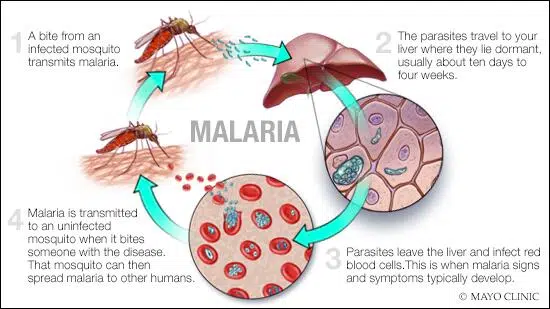
Malaria is present in many parts of India, especially in rural areas and during the monsoon season. There is no vaccine for malaria, but prescription medications can help prevent infection. Your need for malaria prevention depends on your destination, season, and planned activities. A travel consultation will help determine the best option for you.
Japanese Encephalitis
This mosquito-borne virus is more common in rural, agricultural regions, particularly during and after monsoon season. The vaccine is recommended for longer stays or for those spending significant time outdoors in affected areas.
Rabies
Rabies is present in India, and exposure risk is higher for travellers who may have contact with animals—especially children, adventure travellers, and those staying longer. The rabies vaccine is considered for these groups, but all travellers should avoid animal bites and scratches.
Other Considerations
- Cholera: Vaccine considered for humanitarian workers or those travelling to regions with outbreaks.
- Yellow Fever: Not present in India, but proof of vaccination may be required if arriving from a country where yellow fever occurs.
Food, Water, and Mosquito Precautions
Vaccines are just one part of your travel health preparation. Regardless of vaccination status, practising safe food, water, and mosquito precautions is crucial in India:
- Drink only bottled or filtered water; avoid ice and raw foods.
- Choose freshly cooked dishes and peel your own fruit.
- Use EPA-approved insect repellent and wear long sleeves in mosquito-prone areas.
- Sleep under a mosquito net if staying in rural or basic accommodations.
These steps help reduce the risk of common travel illnesses, including traveller’s diarrhea, dengue, and chikungunya, which have no vaccines but are present in many parts of India.
Timing: When to Book Your Travel Health Appointment
Ideally, you should visit a travel health clinic 6 to 8 weeks before departure. This allows time to complete multi-dose vaccine series and for your body to build immunity. However, if your trip is soon, it’s still worthwhile to book an appointment—many vaccines can be given up to 2 weeks before departure, and some protection is always better than none.
Why a Local Travel Consultation Matters
No two trips to India are the same. Your vaccine and health needs depend on your exact route, activities, and health status. A travel consultation at our Midtown Toronto clinic provides:
- Personalized risk assessment based on your itinerary and travel style
- Updates on current outbreaks or regional health advisories
- Advice on safe food, water, and mosquito precautions tailored to your plans
- Support with travel documents and vaccine records
We also review your medical history and advise on how to manage any chronic conditions while abroad. For more insights, see our guide on traveling to India.
FAQ: Vaccines and Health Precautions for Travel to India
- Do I need all the recommended vaccines for every trip to India?
- No. The vaccines you need depend on your itinerary, length of stay, planned activities, and personal health history. A travel health professional will help you decide what’s appropriate.
- Is malaria a risk throughout India?
- Malaria risk is highest in rural and eastern states, and during monsoon season. Some urban areas have lower risk. Your need for malaria medication depends on your specific destinations and travel dates.
- Can I get vaccinated if my trip is in less than a month?
- Yes. While 6 to 8 weeks is best, many vaccines can still be given up to 2 weeks before your trip. Some protection is better than none, and you may be able to complete vaccine series after your return if needed.
- What about dengue and chikungunya?
- There are no vaccines routinely available in Canada for dengue or chikungunya. Mosquito bite prevention is the best defense.
- Are there any special requirements for travellers with chronic conditions?
- Travellers with chronic illnesses may need extra preparation. Bring enough medication, a doctor’s letter, and discuss your health status with the clinic so we can advise you safely.
Book Your Travel Health Consultation in Midtown Toronto
Whether you’re planning a quick business trip or a long family visit, preparing for India’s health risks is vital. A personalized travel consultation at our Midtown Toronto travel clinic ensures you get expert guidance, recommended vaccines, and practical advice for your journey. Book your appointment today to travel with peace of mind and up-to-date protection.
